CategoriesUncategorized
Bourbon vs Whiskey: What Is the Difference?
Bourbon is one type of whiskey. Here is what the U.S. rules require and how it differs from rye, Tennessee, Scotch and Irish whiskey.

Bourbon is one type of whiskey. Here is what the U.S. rules require and how it differs from rye, Tennessee, Scotch and Irish whiskey.
Introduction Purchasing bourbon online requires attention to detail. Reviewing product information carefully can help ensure accuracy and satisfaction. Verify Product Specifications Check for: Clear labeling supports informed purchasing decisions. Review Store Policies Before ordering, confirm: Transparent policies indicate responsible retail practices. Understand Availability Limited releases may sell quickly. Some products may be seasonal or allocated. […]
Why New Charred Oak Is Required Bourbon must be aged in new, charred oak barrels. The charring process caramelizes wood sugars and creates a filtering layer that impacts flavor. The Science of Barrel Aging As temperatures change, bourbon expands into and contracts out of the wood. This interaction extracts compounds responsible for: Climate and Maturation […]
Introduction Taste is subjective, but certain structural elements influence bourbon flavor. Identifying your preferences can narrow your options. Sweet vs. Spicy Mash Bills Reviewing mash bill information, when available, can guide your selection. Proof Levels and Intensity Higher proof bourbons may present more concentrated flavors. Lower proof options may feel lighter or smoother. Age and […]
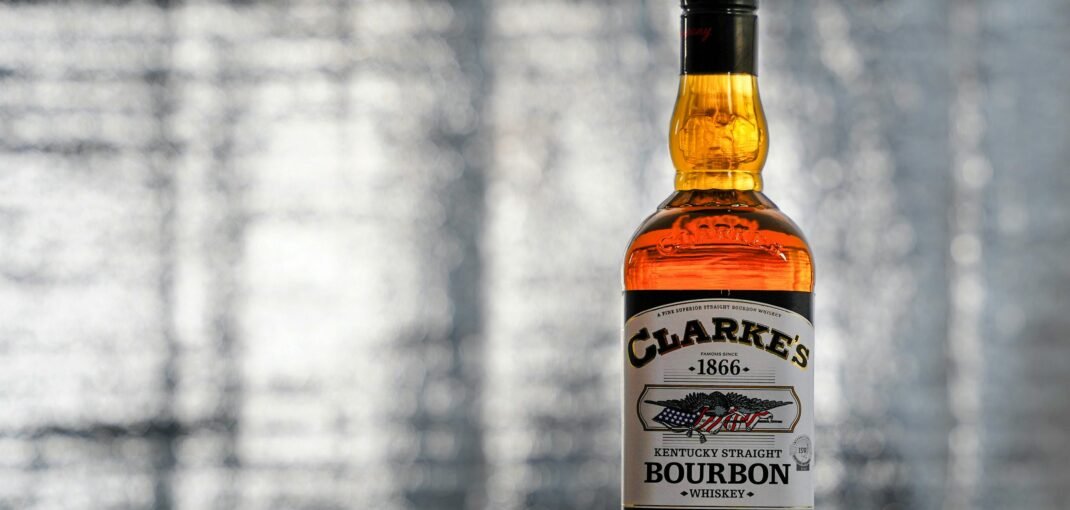
Why Bourbon Labels Can Be Confusing Many bottles include marketing terms that may not have strict legal definitions. Understanding which labels are regulated and which are descriptive helps buyers evaluate products accurately. Straight Bourbon “Straight Bourbon” must be aged at least two years and contain no added flavoring or coloring. If aged less than four […]
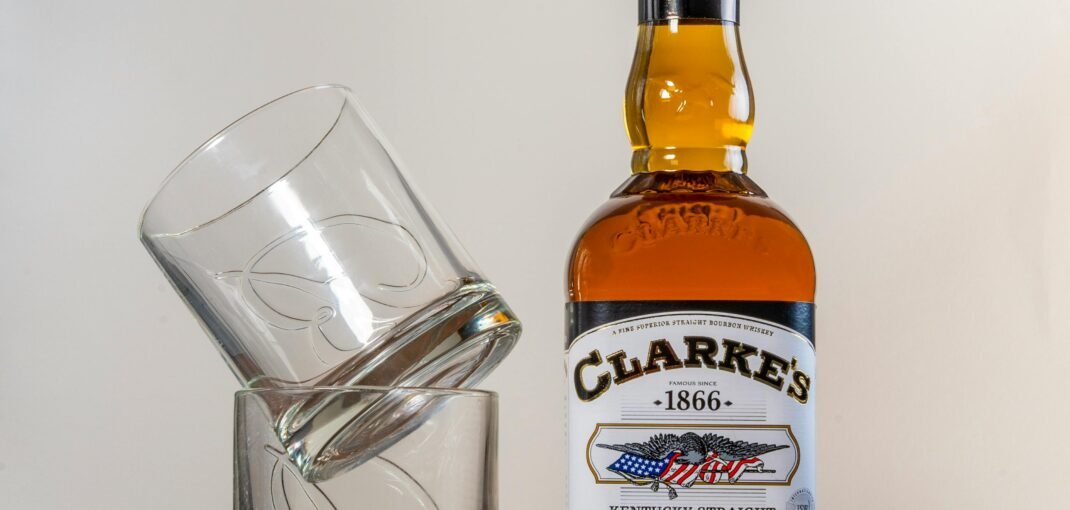
Bourbon is a distilled spirit defined by six federal requirements: it must be made in the United States from a mash of at least 51% corn, distilled to no more than 160 proof, entered into the barrel at no more than 125 proof, aged in new charred oak containers, and bottled at 80 proof or […]
Liquory’s largest winery crafting a variety of sweet to dry wines that reflect our unique growing region.