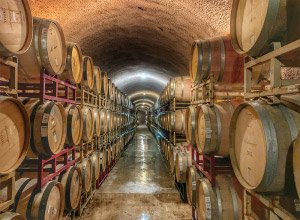
Bourbon is a type of whiskey. Every bourbon is whiskey, but most whiskey is not bourbon. The difference comes down to where it is made, what it is made from, and how it is aged. This guide explains those rules in plain terms so you can read a bottle label.
What makes a whiskey a bourbon?
Under U.S. federal standards, a whiskey can only be sold as bourbon if it meets all of these rules:
- It is made in the United States.
- The grain mixture, called the mash bill, is at least 51% corn.
- It is aged in new, charred oak containers.
- It is distilled to no more than 160 proof and enters the barrel at no more than 125 proof.
- It is bottled at 80 proof or higher.
- Nothing is added except water. No coloring and no flavoring.
These thresholds come from the federal standards of identity for distilled spirits in 27 CFR Part 5, which covers labeling and advertising and is enforced by the Alcohol and Tobacco Tax and Trade Bureau (TTB).
The corn gives bourbon its natural sweetness. The new charred oak is the source of most of the vanilla, caramel and toasted spice notes people associate with it. For more on how the barrel shapes flavor, see The Role of Oak Barrels in Bourbon Flavor Development.
How other whiskeys differ
Whiskey is the wider family. Each style has its own rules, and the main differences are the grain, the place and the aging.
- Rye whiskey: the U.S. definition requires at least 51% rye in the mash bill. Rye usually tastes drier and spicier than bourbon.
- Tennessee whiskey: made in Tennessee and filtered through charcoal before aging. Many Tennessee whiskeys otherwise follow bourbon-style rules.
- Scotch: made in Scotland and aged for at least three years in oak. Single malt Scotch uses malted barley.
- Irish whiskey: made in Ireland and also aged for at least three years in wood.
Does bourbon have to come from Kentucky?
No. Bourbon can be made anywhere in the United States. Kentucky is the best-known home of bourbon, but a bottle does not need a Kentucky address to carry the name.
What does “straight” bourbon mean?
Straight bourbon meets every bourbon rule above and has also been aged for at least two years. If a straight bourbon is aged less than four years, the label must state its age. Bottles aged four years or more may leave the age off. For how terms like single barrel and bottled-in-bond fit alongside “straight” on a label, see Understanding Bourbon Labels: What “Small Batch,” “Single Barrel,” and “Bottled-in-Bond” Really Mean.
How to read a bottle
Check the class and type on the front label. “Bourbon” or “Straight Bourbon Whiskey” tells you the legal category. Proof or ABV tells you strength. An age statement tells you the youngest whiskey in the bottle. Words like “small batch” are not legally defined, so treat them as a producer’s description rather than a standard; our guide to understanding bourbon labels goes through these terms in more detail. If you are buying online, Buying Bourbon Online: What to Look for Before You Place an Order covers the practical checklist.
Quick answers
Is bourbon sweeter than other whiskey?
Often, yes. The high corn content and new charred oak tend to give bourbon a sweeter, rounder profile than rye or Scotch, though flavor varies a lot between producers. If you want help narrowing down a style, see How to Choose the Right Bourbon for Your Taste Preferences.
Can bourbon be aged in used barrels?
No. The rules require new charred oak containers. That is one of the clearest differences from Scotch, which commonly uses used casks.