Absolutely. Below are 5 long-form, SEO-structured bourbon blog posts for Bodensatz.
They are written in a natural, authoritative tone — informational (not promotional), policy-safe, and structured for strong search visibility.
1. The Complete Guide to American Bourbon: History, Production, and Standards
Introduction
American bourbon is one of the most regulated and historically significant spirits in the United States. Understanding how it is made and what legally defines it can help buyers make informed decisions when selecting a bottle.
The Legal Definition of Bourbon
Under U.S. federal standards, bourbon must:
- Be produced in the United States
- Contain at least 51% corn in the mash bill
- Be aged in new, charred oak containers
- Be distilled to no more than 160 proof
- Enter the barrel at no more than 125 proof
- Be bottled at 80 proof or higher
These standards ensure product integrity and prevent misrepresentation.
A Brief History of Bourbon
Bourbon production dates back to the late 18th century, particularly in frontier regions where corn was widely available. Over time, production methods became standardized, and bourbon gained recognition as a distinctive American product.
In 1964, the U.S. Congress declared bourbon a “distinctive product of the United States,” reinforcing its national significance.
How Bourbon Is Made
Mash Bill and Fermentation
The mash bill determines flavor structure. While corn must make up at least 51%, the remaining grains (typically rye, wheat, or malted barley) influence sweetness, spice, and texture.
Distillation
Most bourbon is distilled in column stills, sometimes followed by secondary distillation in a doubler or pot still.
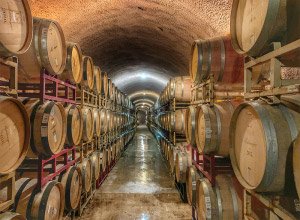
Barrel Aging
New, charred American oak barrels contribute caramel, vanilla, oak, and spice notes. Climate plays a role in how deeply the spirit interacts with the wood.
Why Regulations Matter for Buyers
Clear legal standards help consumers understand what they are purchasing. When shopping online, reviewing proof, classification, and labeling ensures you receive a product that aligns with bourbon regulations.
Conclusion
Bourbon’s combination of strict standards and regional craftsmanship makes it one of the most consistent and recognizable American spirits.